little salt
Water is the lifeblood of the American West, and it's running out. When three friends decide to float a minuscule tributary through their backyard, a simple question sends them deep into a world of ancient water rights, closed doors, and a fight over what's left. Little Salt is a story about water, the people who depend on it, and how inseparable the two have always been.
The Inspiration
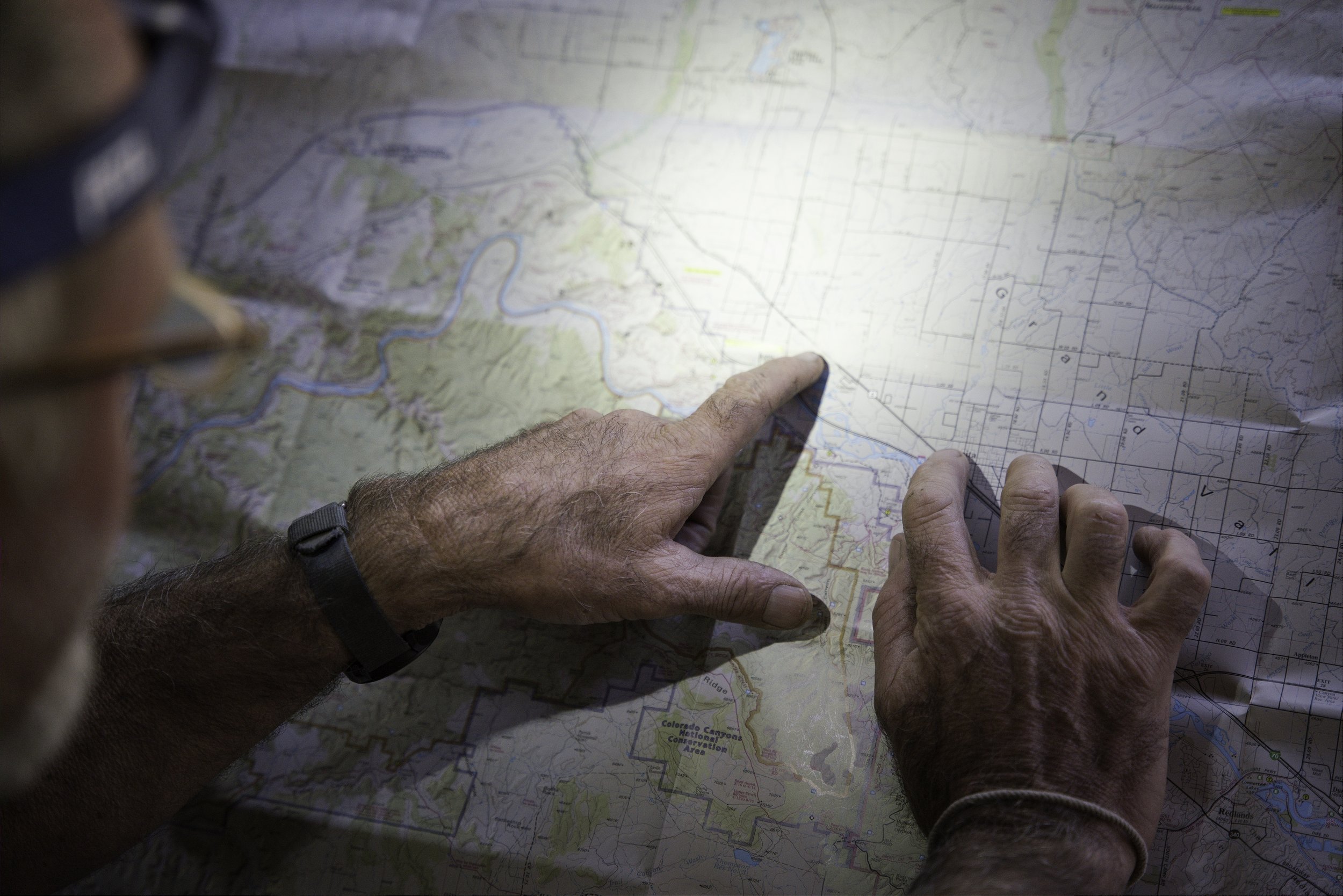
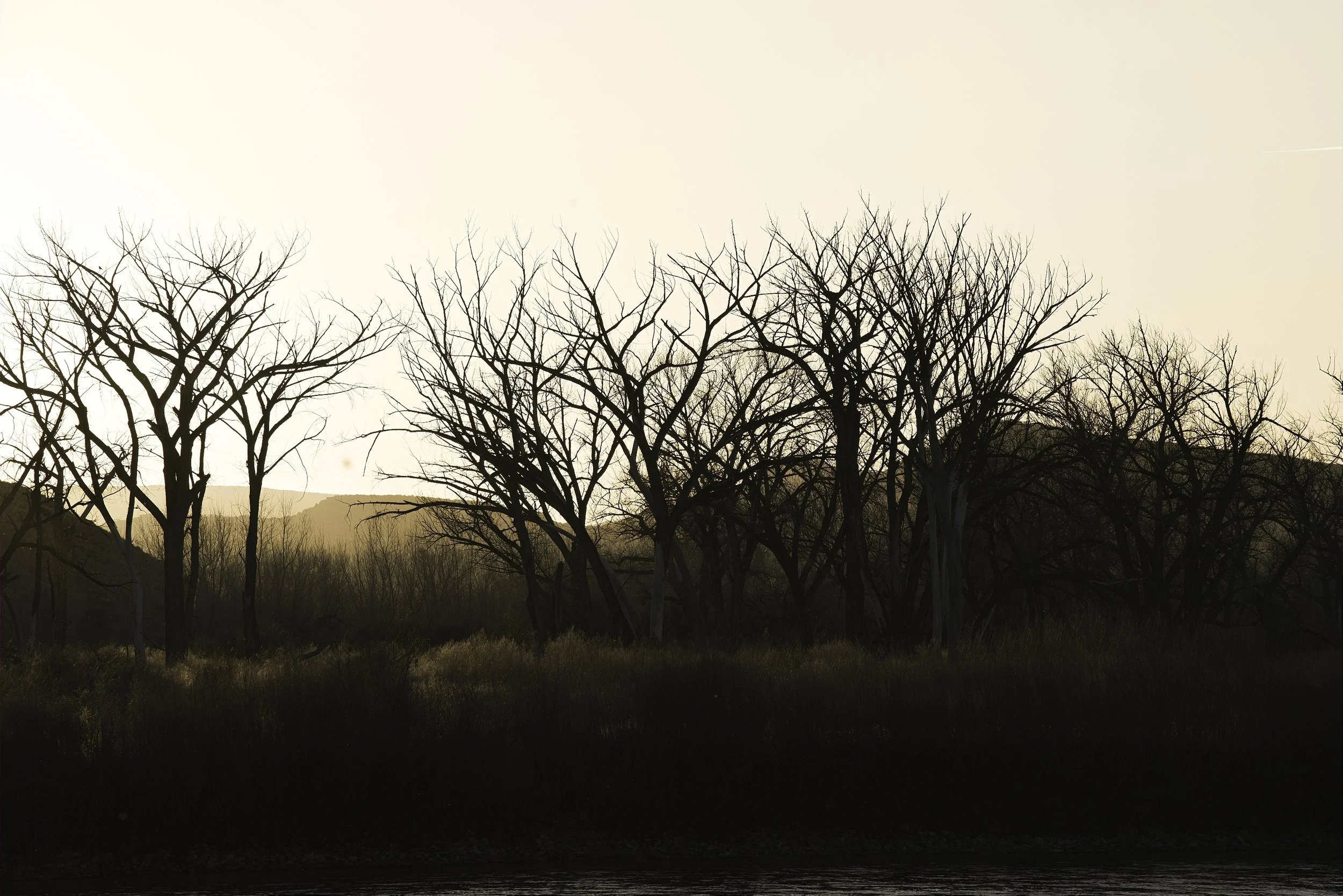
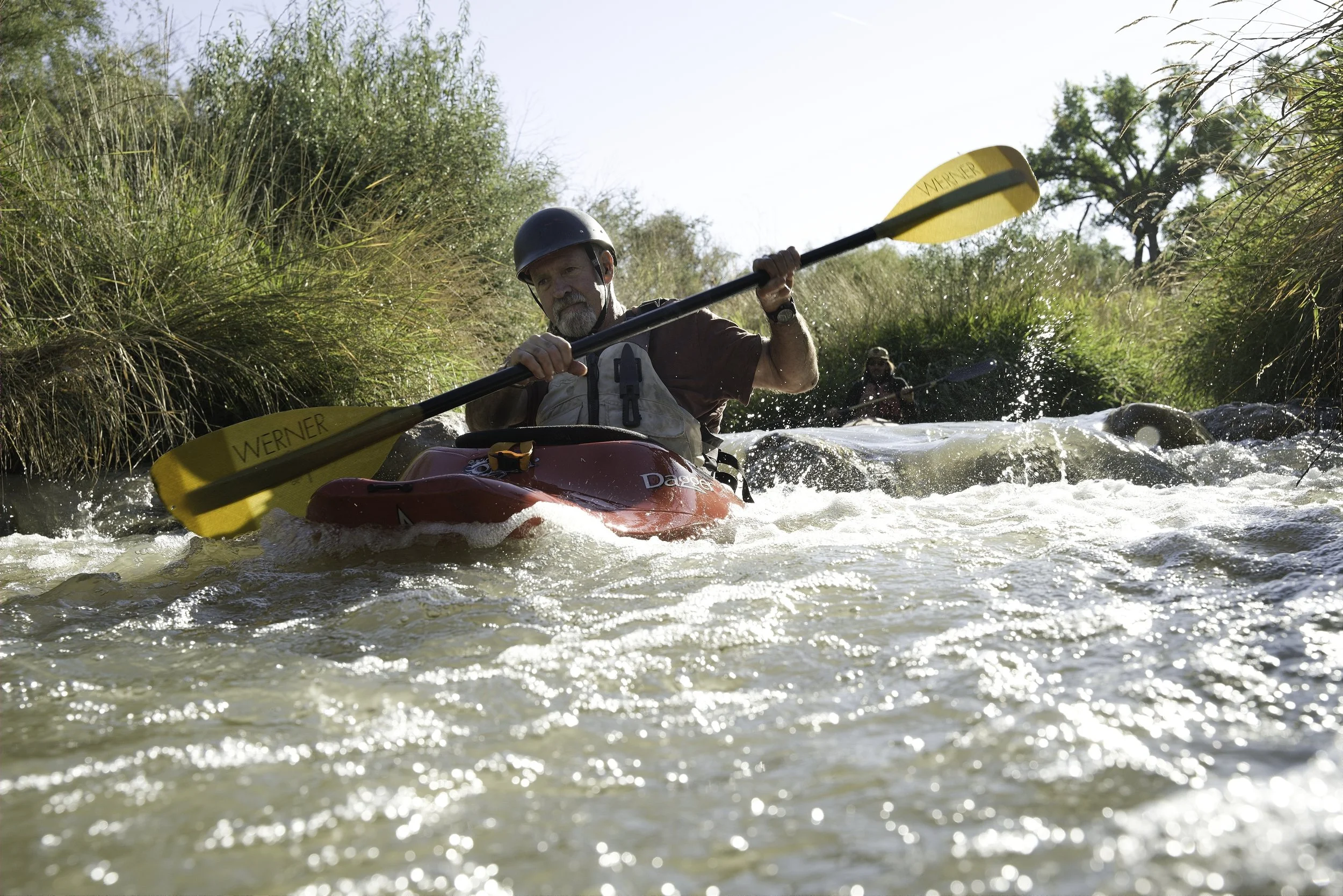
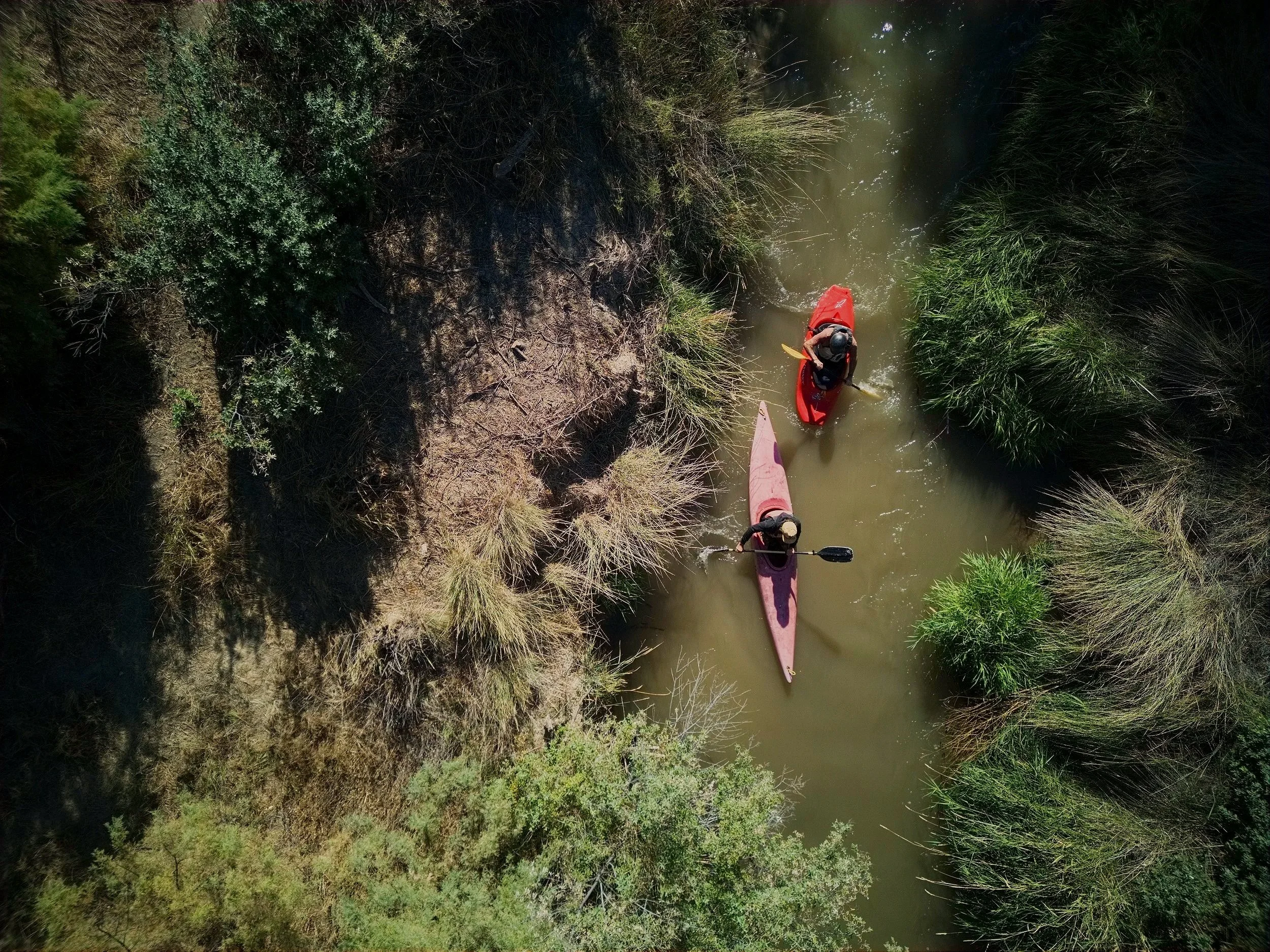
There's a small wash that runs through our backyard, a scrappy drainage carrying leftover irrigation water back to the Colorado River. Like most people, we enjoyed the water but never gave it much thought. When a few of us set out to make the first recorded descent of Little Salt Wash, we started to question where this water comes from. Along the way we fought spiders and downed branches, scraped our boats along gravelly shallows, and ended our journey at a muddy delta choked with tamarisk, concrete, and old car tires.
Somewhere between the put-in and that inglorious finish, something became clear. This was more than a small, overlooked wash. As we floated past expansive farmland and under concrete city bridges and highways, we realized how little we knew about our own water. We all depend on the Colorado River, but almost none of us know how it is managed.
Little Salt is one small tributary in one small town, but it connects to everything.
Water in the West is complicated.
Why Now?
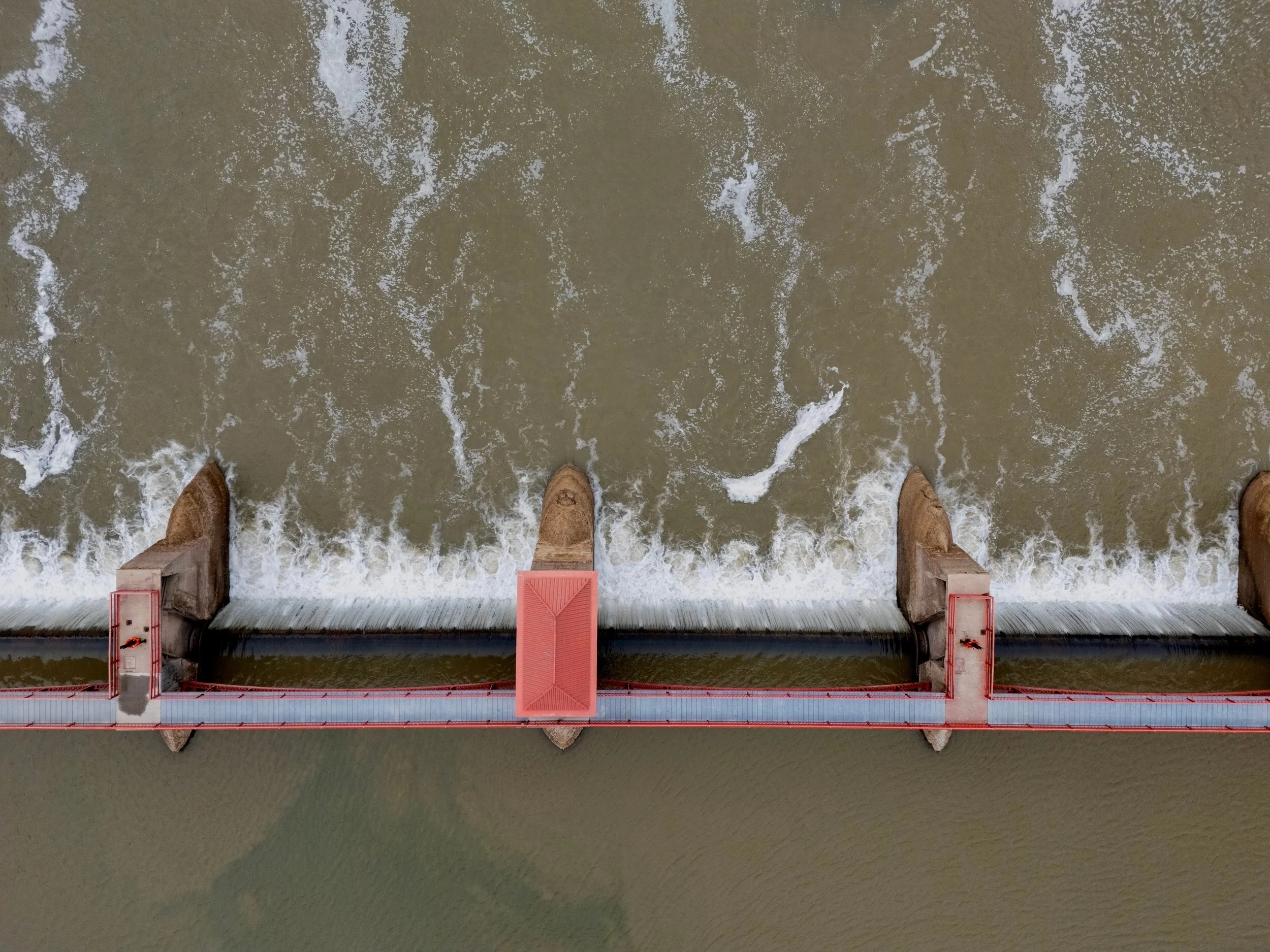
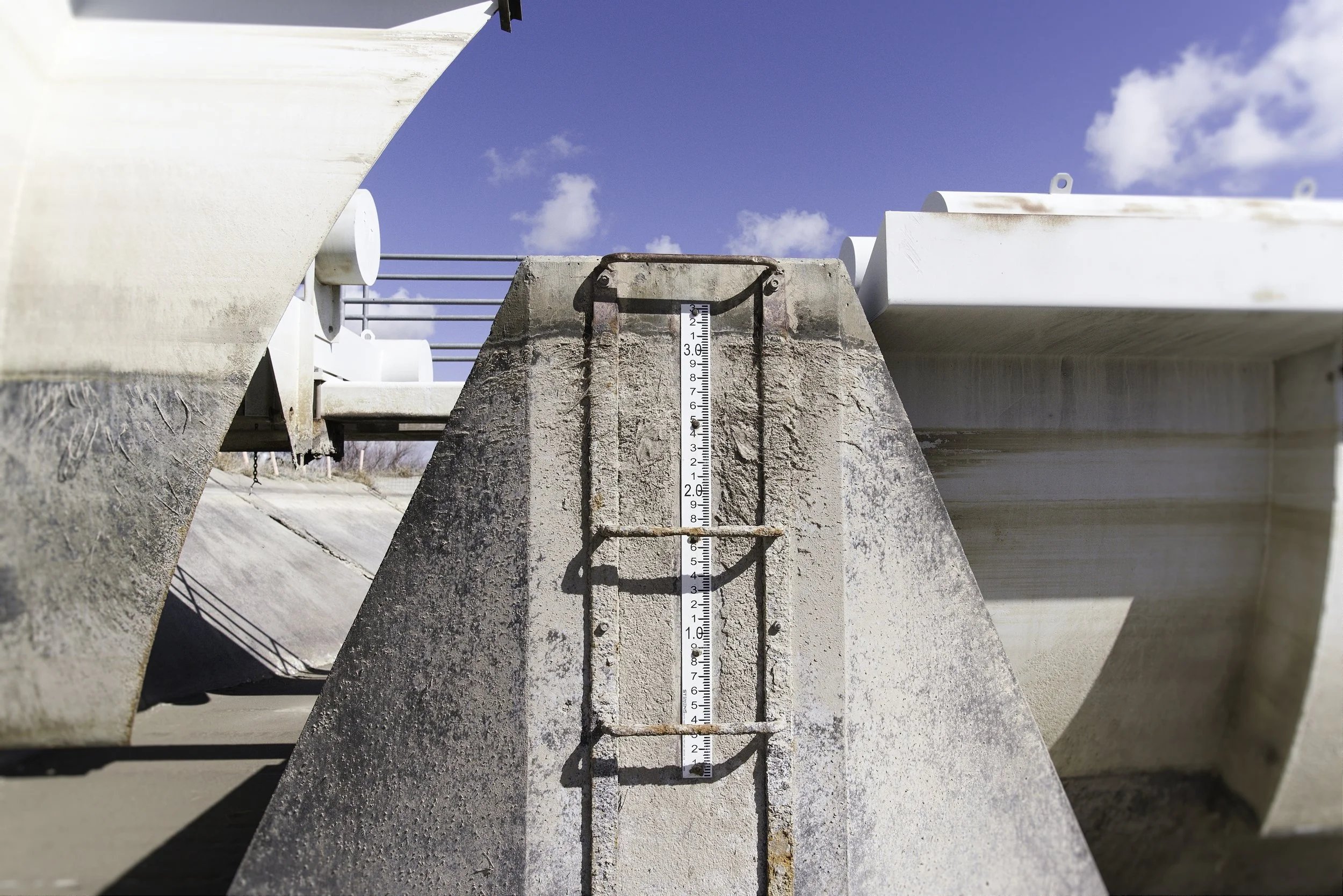
The Colorado River is one of the most fought-over bodies of water in the world and one of the least understood. Scarcity is forcing conversations that should have happened decades ago, and with record-low snowpack and severe drought, we have run out of time to keep postponing them. We spent years listening to farmers, environmental activists, water attorneys, tribal leaders, and water managers across our state, and everyone we talk to says the same thing. We need better stories about water and why it matters. So this is ours.
Film Concept
In the arid expanse of Western Colorado, water is both the lifeblood of the land and the source of its greatest challenges. Little Salt follows that water upstream, from a forgotten drainage ditch into the high-stakes battle over the Colorado River, where agriculture, policy, conservation, and tribal sovereignty all collide over a shrinking resource.
As the 2026 renegotiation of the Colorado River Compact looms, tensions rise between historic water rights, modern demands, and a rapidly changing climate. The people at the table see the problem from every angle, but they share the same concern: all of our futures depend on getting this right.
No one in this story is untouched by the challenges of western water. Together, these voices reveal what sustainability, equity, and survival look like in a place where every drop matters, and how we might find a way to adapt to a rapidly changing environment.
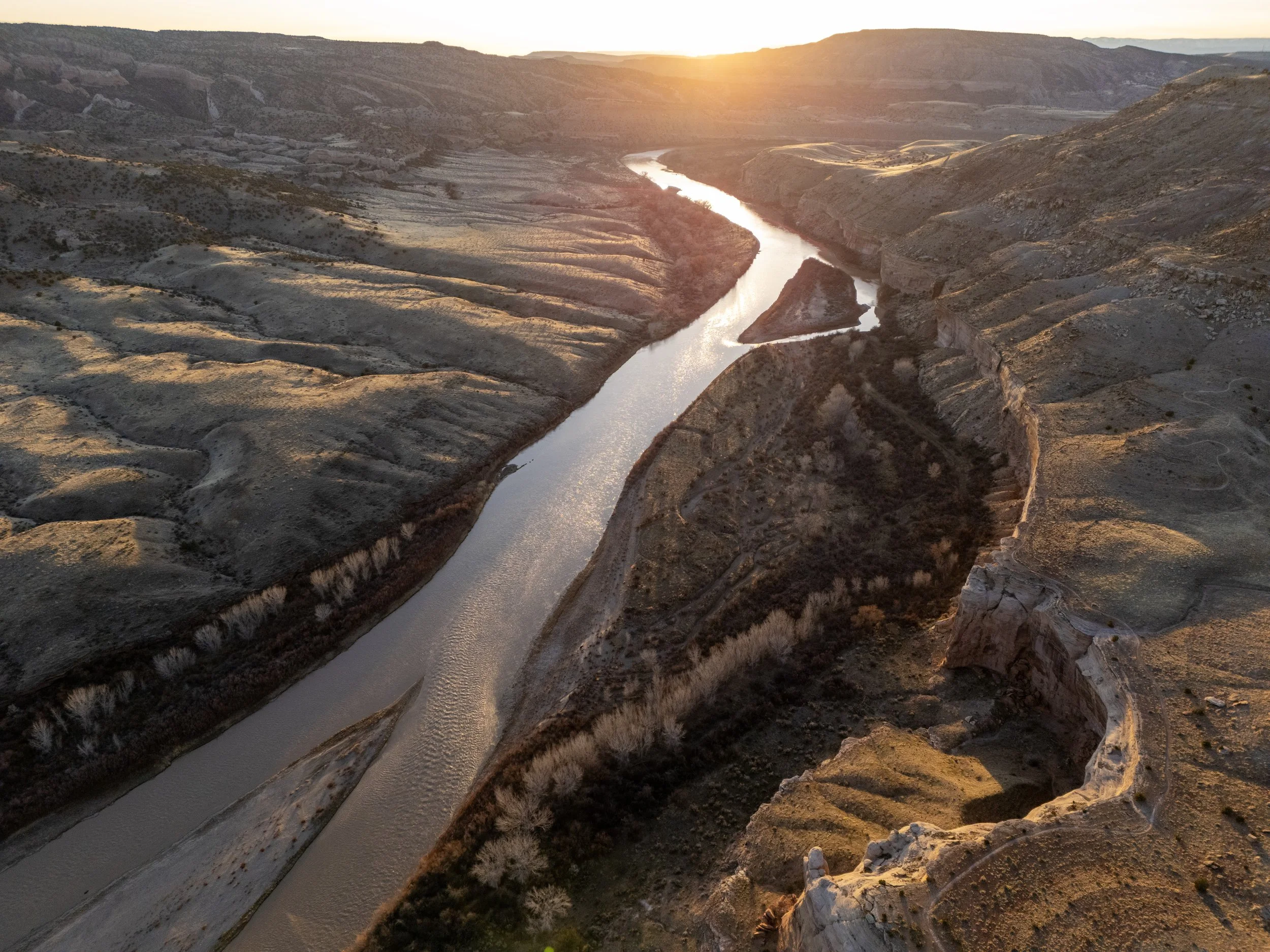
Meet Our Characters
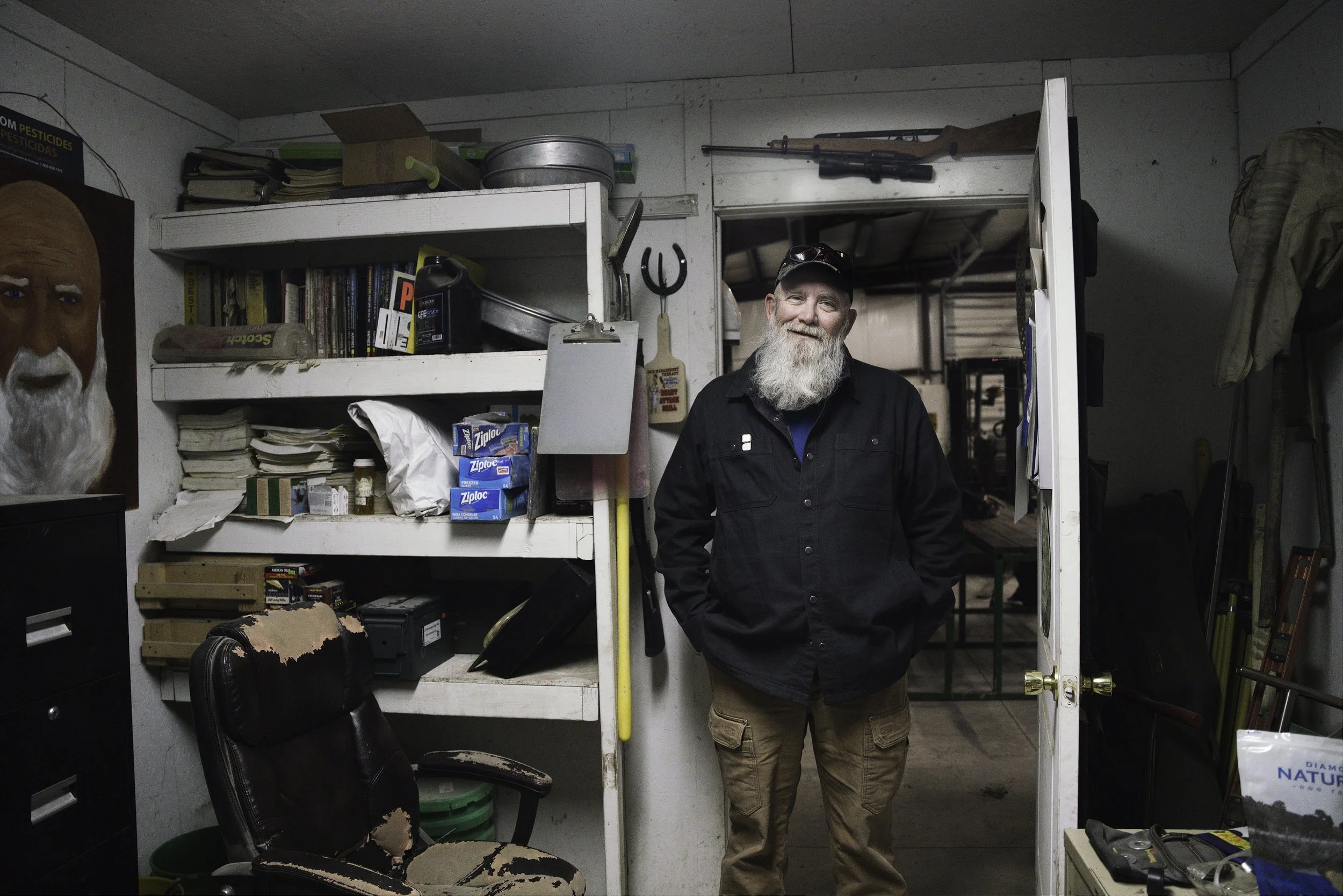
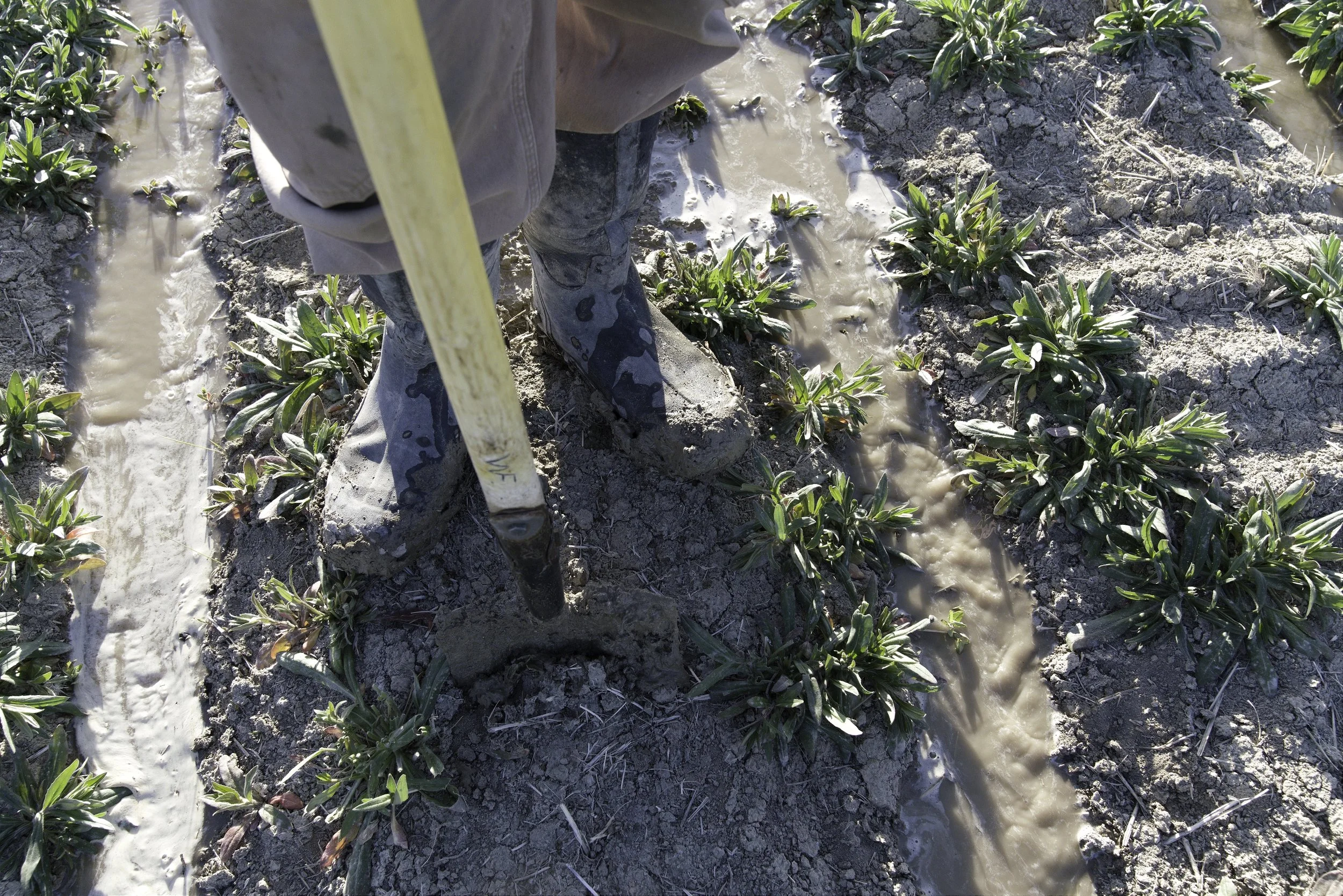
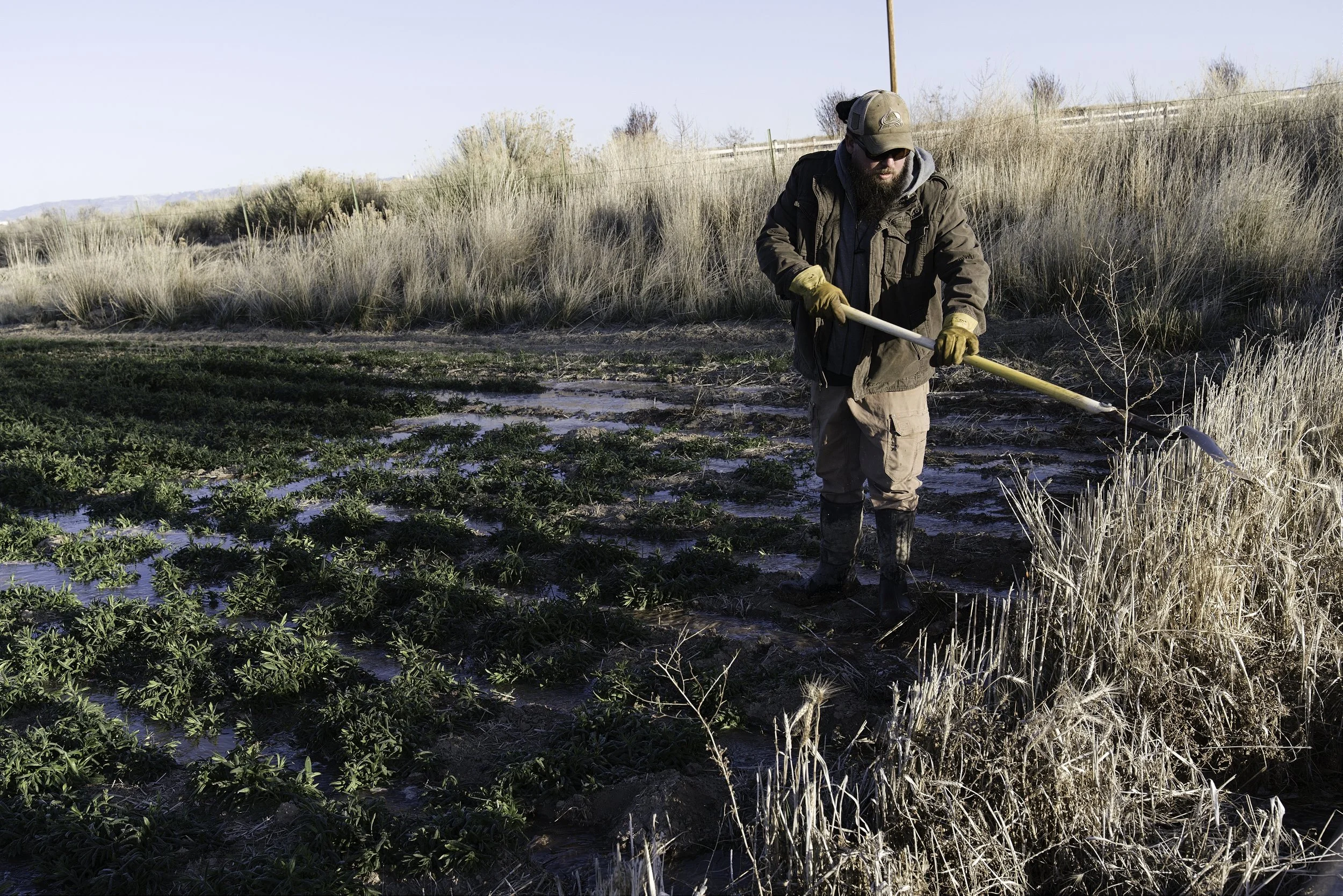
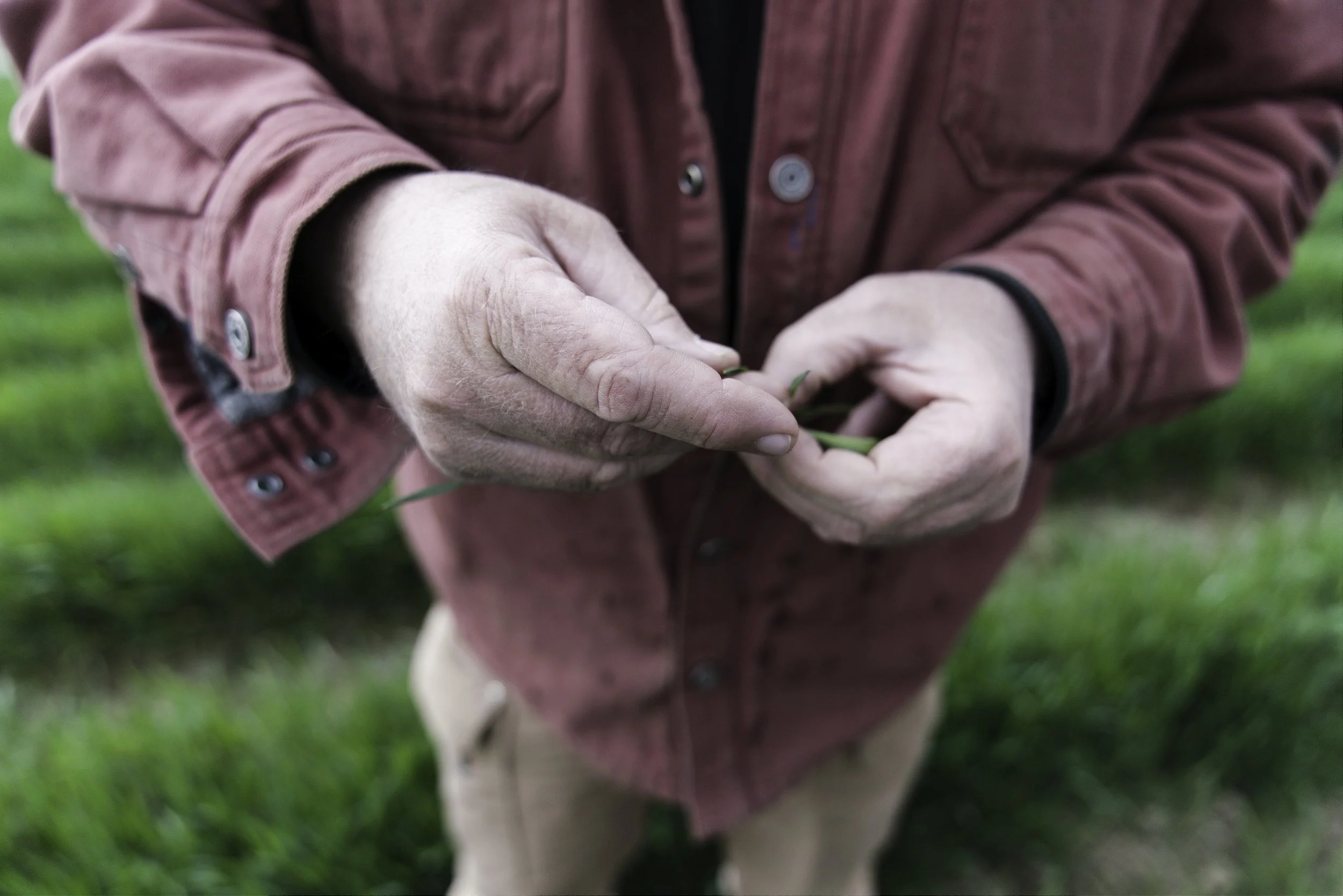
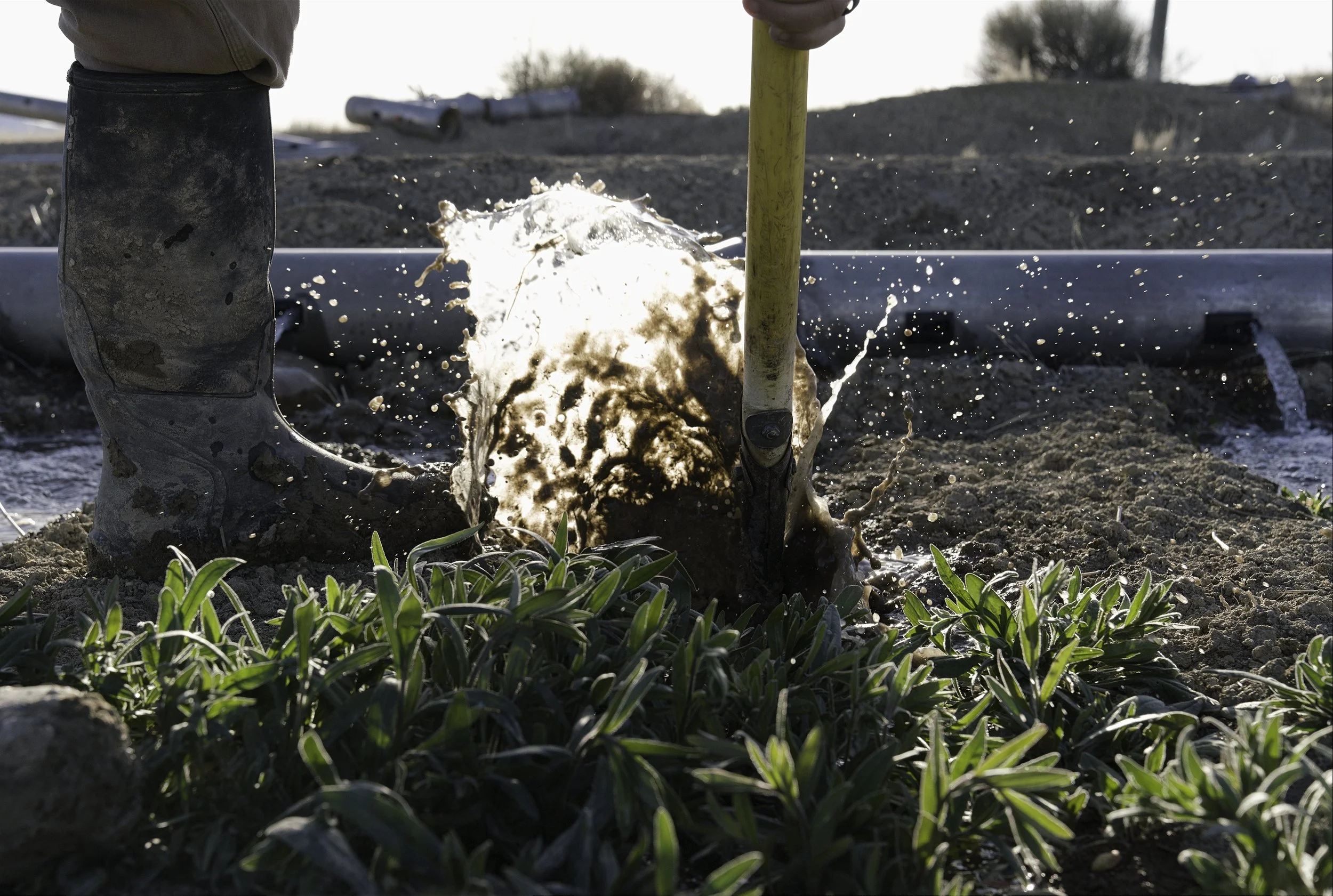
Troy WatersTroy Waters is a fifth-generation farmer from Fruita, working through yet another year fighting weather, logistics, and an ever-encroaching population with little understanding of his challenges. He shows up at every local water meeting to make sure the voice of agriculture gets heard. For the last ten years he worked his fields alongside his son CW, often bringing his grandson out too, shovel in hand, teaching him how to move water to the crops. This spring CW left for a more reliable career in Denver, the responsible choice for a young family, leaving Troy to manage the farm alone. Troy has a genuine concern that there is no future for agriculture in Western Colorado. The lifestyle is too laborious, and both the water and the land are too expensive. He gets up each morning and keeps going anyway, because he believes the Grand Valley still has a future worth fighting for, even when the evidence makes that hard to argue.
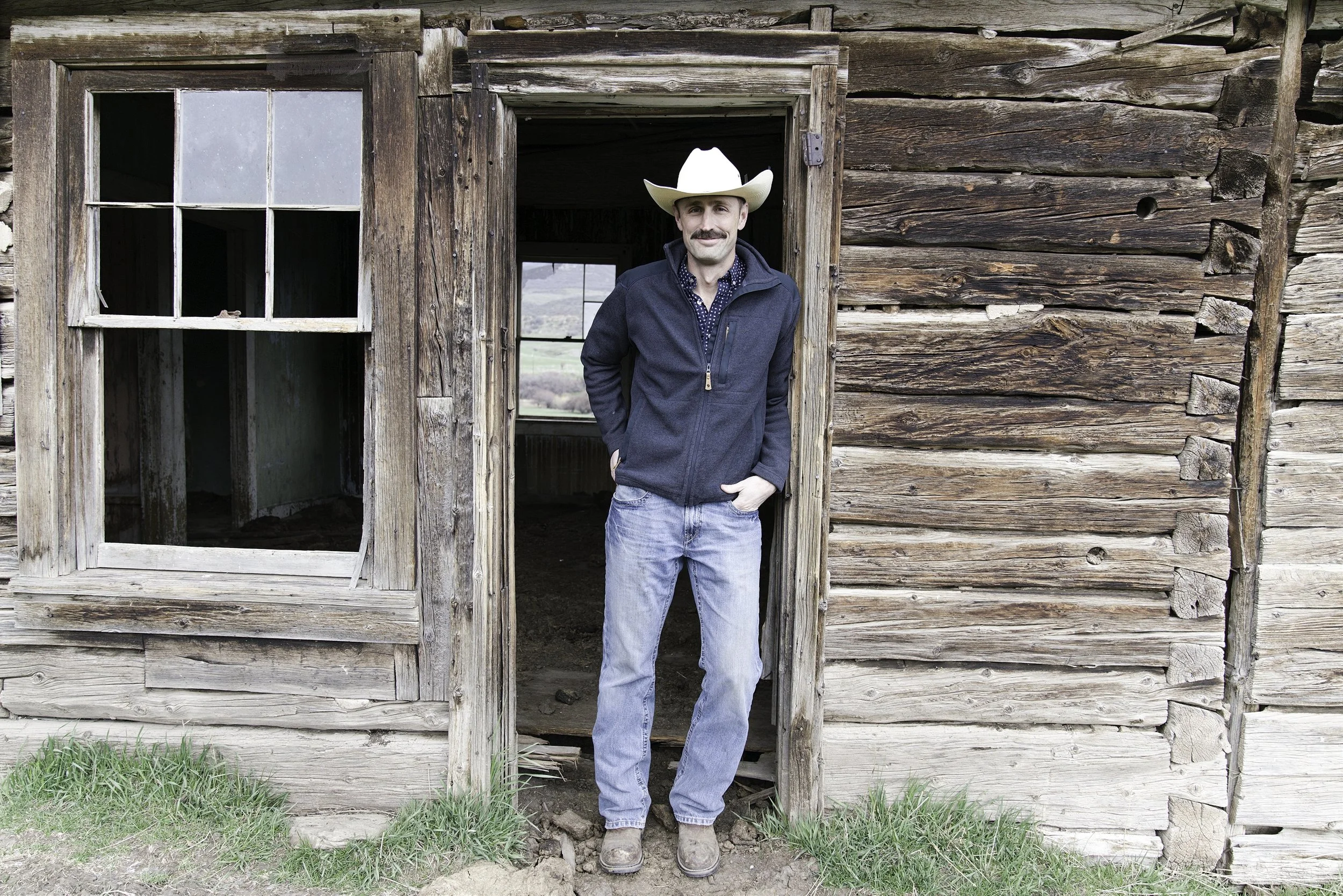
James Eklund's roots run deep in Western Colorado. His great-great-grandfather, a blind Norwegian immigrant, dug one of the first ditches to bring water to crops and livestock near Collbran. Eklund still helps manage a small cattle operation on family land near that original homestead. He's better known, though, for his work in water law and policy. From 2013 to 2017 he oversaw the creation of Colorado's long-term water plan, the first in the basin to directly address climate change. Now in private practice, Eklund represents a wide range of clients, from farmers and ranchers to the private equity firm featured in a recent New York Times investigation, the kind of pairing that makes a lot of people uneasy. The idea that markets and profit-seeking businesses might have a role in managing something as essential as water strikes many as wrong on its face. Eklund doesn't see it that way. He draws a sharp line between the water itself, which flows freely and answers to no one, and the rights to use it, which can be bought, sold, and valued. His bet is that putting a real price on water is what finally makes people use it carefully, not the opposite.
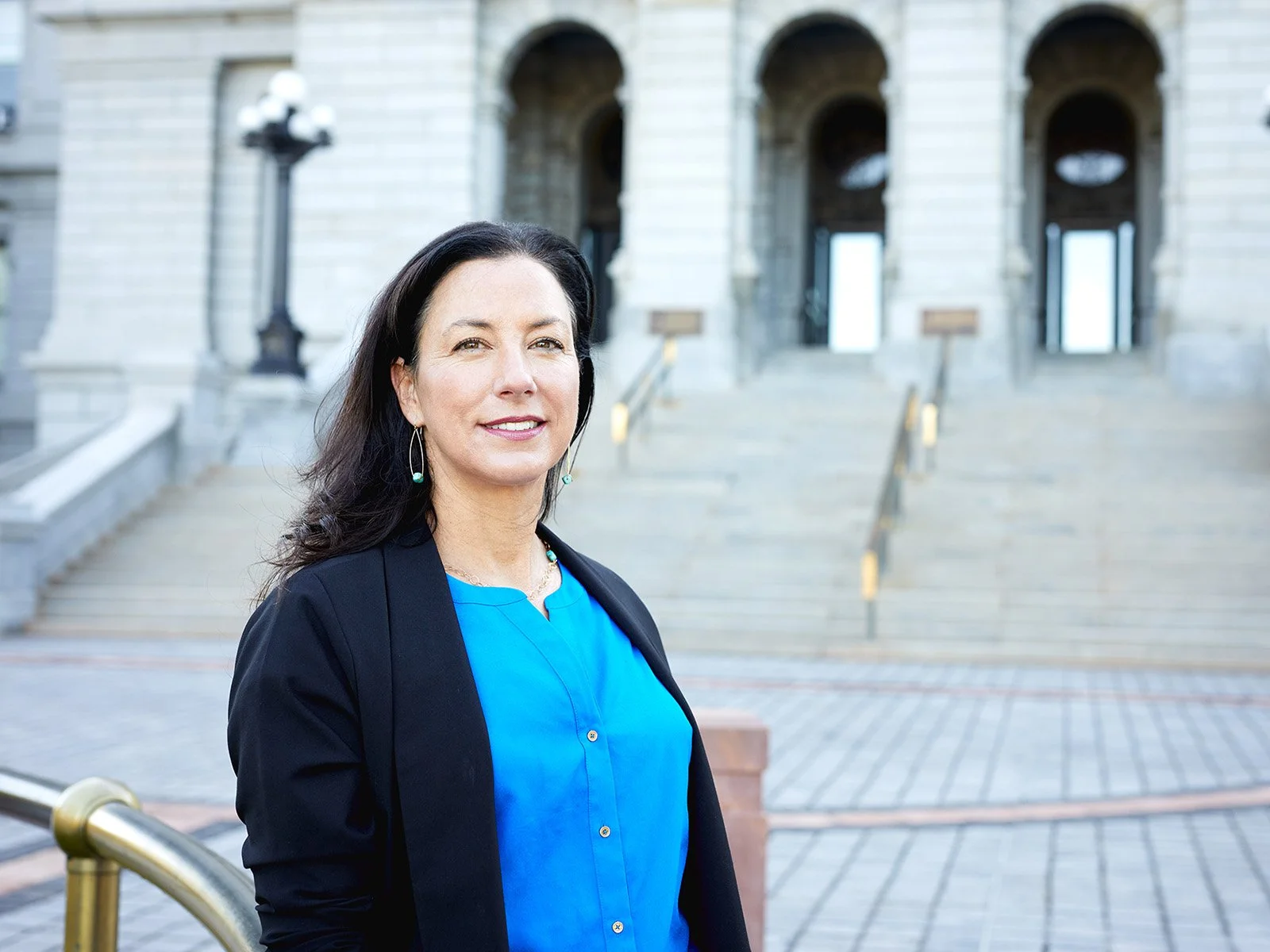
Becky Mitchell represents Colorado's interests across every state in the Colorado River Basin, the kind of job that requires constant travel and constant negotiation. But water doesn't recognize state lines any more than it recognizes property lines, and that's the part that keeps her up at night. As a hydrologist, Mitchell understands the math better than almost anyone. The decisions being negotiated right now will shape what's possible for generations that haven't been born yet, including the future she is leaving her own children. What happens in her office doesn't stay in her office. It reaches every state, every tribe, and every person downstream who depends on this river, including a fifth-generation farmer in Fruita whose future she is, in part, deciding.
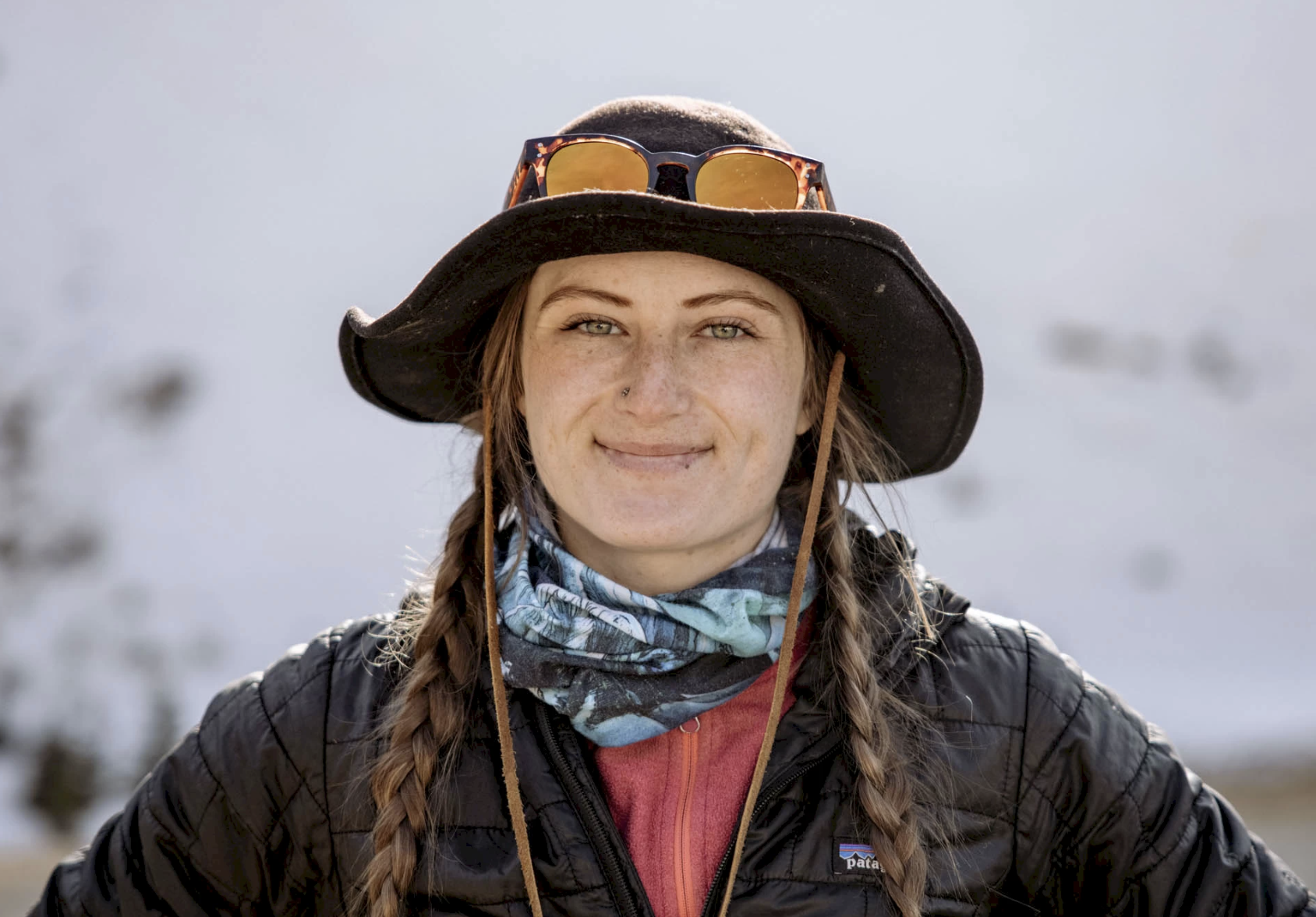
Teal Lehto is known online as Western Water Girl, and she's built something that's eluded most people working on Colorado River issues. A real audience, and a young one. The kind of people who will still be dealing with this crisis long after the current decision-makers have retired. That generational gap follows her offline too. As the youngest member of most of the conservation boards she sits on, she's used to being underestimated by directors who assume young and online means uninformed. It doesn't take long for that assumption to fall apart. Lehto knows the policy well, and she's spent years figuring out how to make it make sense to people who would otherwise tune it out entirely. The attention comes with critics but she's out there anyway, because she's not interested in inheriting a problem she had no say in solving.
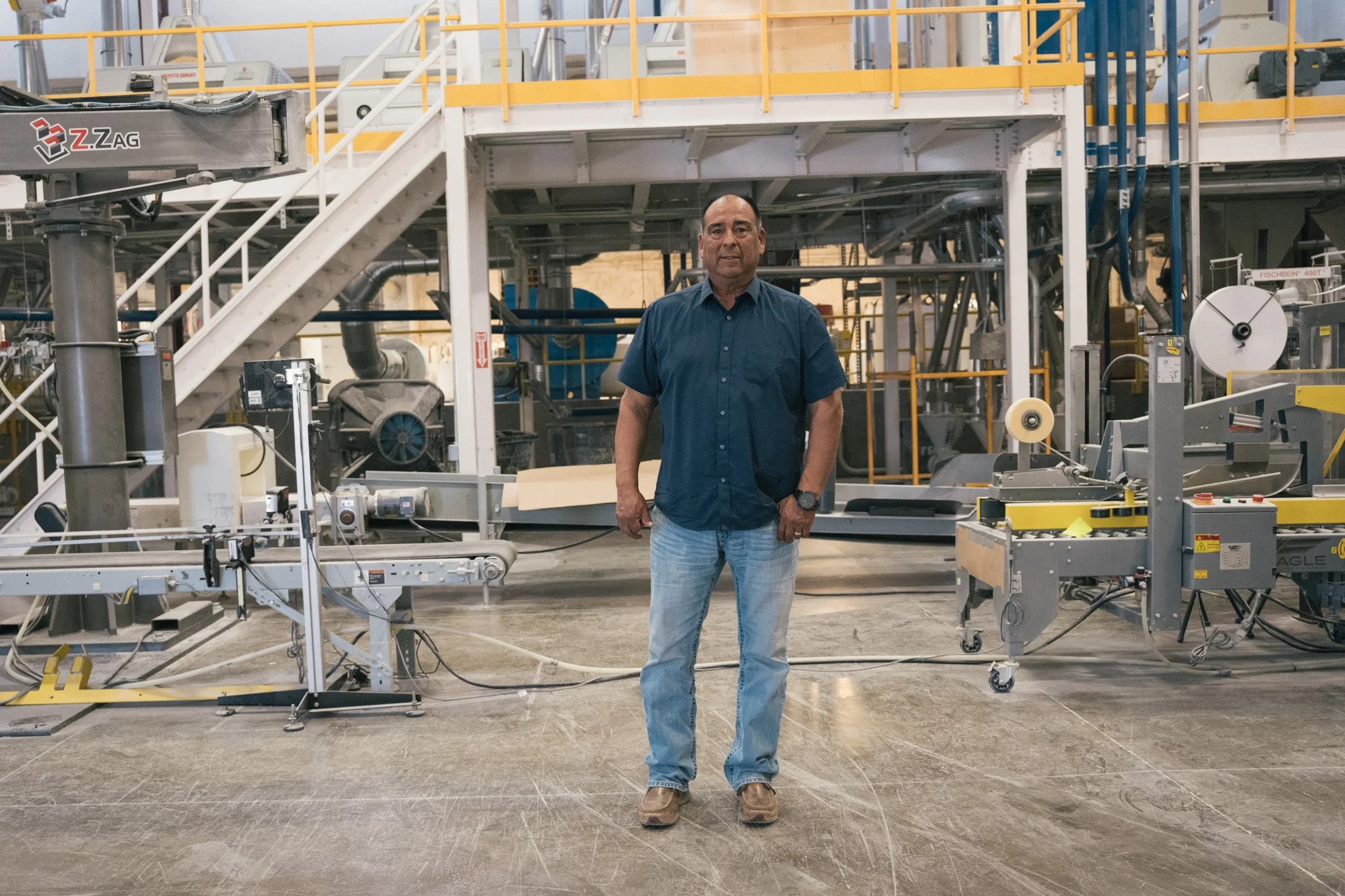
Simon Martinez runs the Farm and Ranch operation that anchors the Ute Mountain Ute tribe's economy. A 1988 settlement gave the tribe junior water rights from the Dolores River, along with the infrastructure to use them, but also a fixed annual water bill that doesn't shrink when the water does. In 2026, with the San Juan Mountains in drought, the tribe will receive about 15% of their water allocation. They'll still be billed for 100% of it. Western farmers are facing cuts too, but the challenges on the reservation run far deeper. Simon's job is to keep the farm running at the highest level he can on a fraction of the water, while paying for all of it. It's a small picture of a much larger pattern. Tribes collectively hold rights to roughly a quarter of the Colorado River's flow, but a lack of infrastructure, chronic underfunding, and unresolved disputes mean much of that water goes unused or ends up diverted to others anyway.
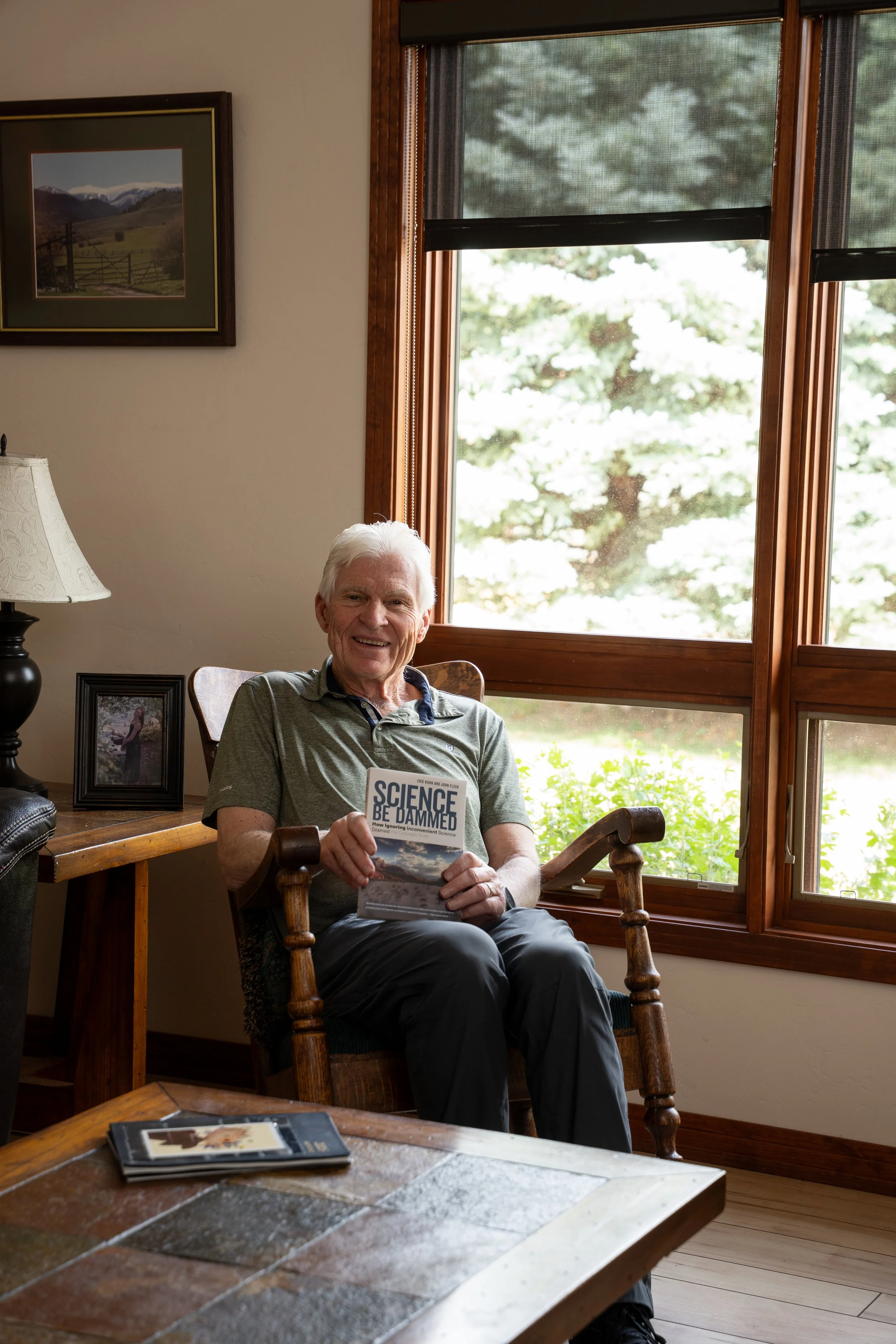
Eric Kuhn spent nearly four decades at the center of Colorado River management, leading the Colorado River Water Conservation District from 1996 until his retirement in 2018. The district covers most of the river's basin within Colorado and produces almost two thirds of its flow at Lee Ferry. In 2019, he co-authored Science Be Dammed with John Fleck, arguing that the people who built the Law of the River knew the numbers didn't add up, and built it anyway. In Little Salt, Kuhn offers something rare. A voice with real institutional authority who is willing to say plainly what the system can no longer afford to avoid.
Meet Our Team
-

Ash Bernal
DIRECTOR
Ash Bernal grew up on a multigenerational farm in the Grand Valley, where water wasn't an abstract policy issue, but the thing that determined whether the season was successful and something to be cherished. That upbringing is in everything she makes. Based on Colorado's Western Slope, she has spent the last decade directing and producing commercial work. She has a background in journalism and marketing. When she is not cutting film or planning a shoot, she is usually somewhere in the wilderness with her partner and their dog. For Ash, Little Salt isn't a subject. It's her ancestry, her family, her home, and everything she stands to lose.
-
Cullen Purser
CINEMATOGRAPHER
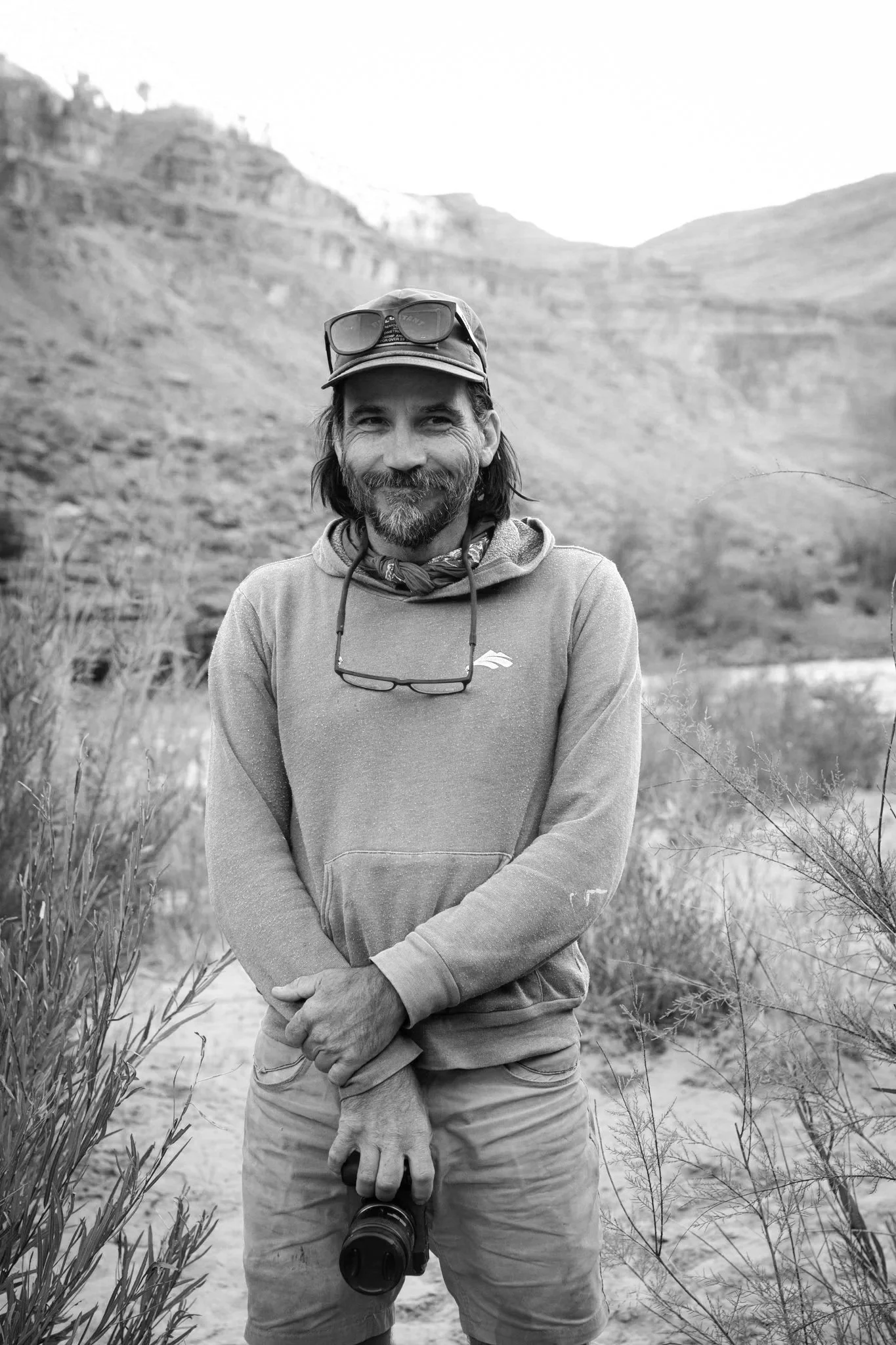
Cullen Purser is a native of the Grand Valley of Western Colorado. He grew up surrounded by wheat, oats, and barley. His dad owned and operated a Seed Cleaning business. He learned early the Sisyphean battle every farmer faces in just breaking even. Exposed to the many farmhands who helped, he learned early on how to engage in conversation with all kinds of people. These childhood influences would create an adult who loves to listen to and capture stories and represent them as films. He firmly believes nearly every human comes from an honest place of trying to do their best. He endeavors whenever possible to capture that more virtuous aspect of humanity. He uses the tool of film to remind everyone the world is not nearly the scary place we imagine it to be.
-
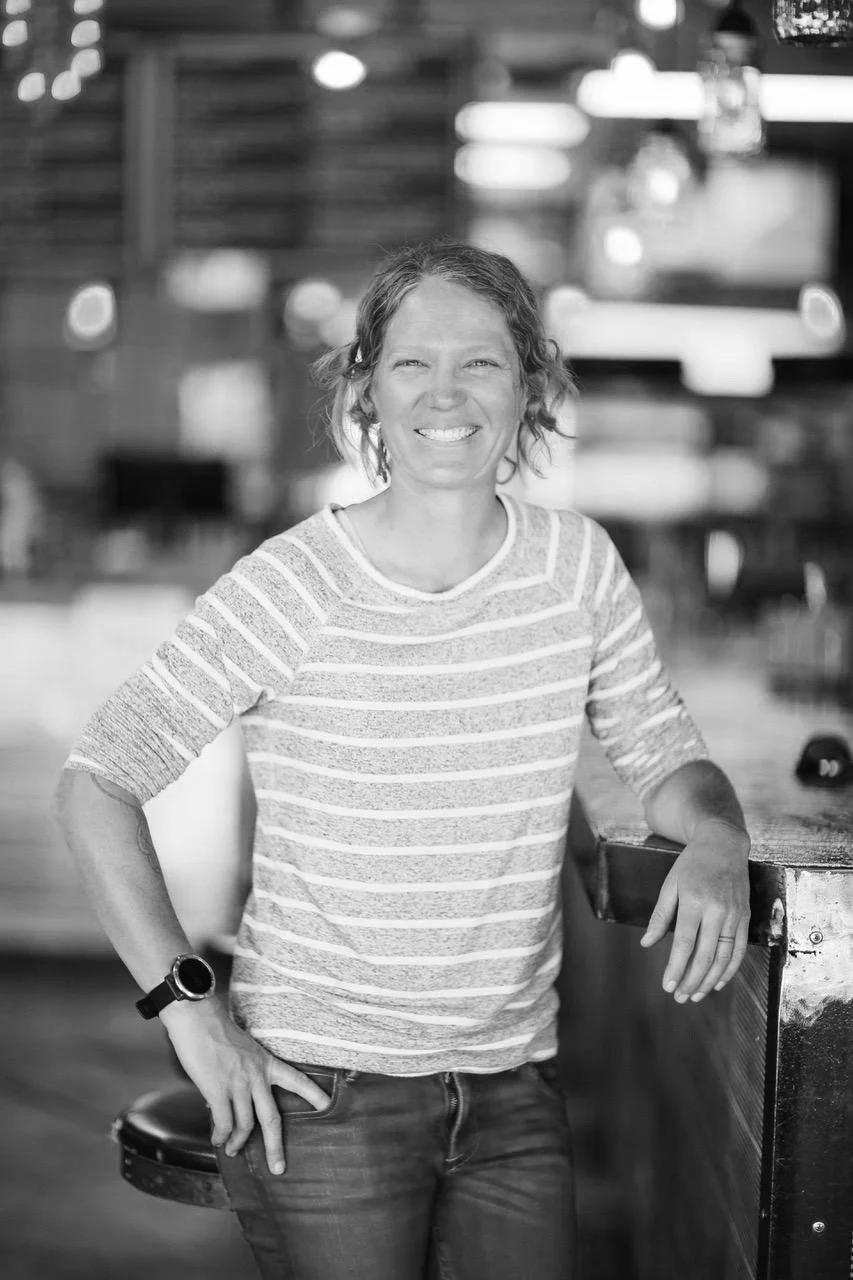
Anne Keller
DIRECTOR OF PHOTOGRAPHY
Anne Keller is a photographer based in Fruita, Colorado. In her former life, she co-founded and operated the Hot Tomato pizzeria with her partner, a community gathering place in their small town and subject of the Patagonia film Life of Pie. Anne has an extensive background shooting photos and telling editorial stories for outdoor industry publications and brands. She was a former staff photographer for Bike magazine, and enjoys current work for clients such as Patagonia. She recently has turned her camera towards film pursuits, interested in the art of moving pictures and the ability of documentary to tell compelling stories.
Distribution & Impact
Little Salt is built for the festival circuit first. Its scale, a backyard story that opens onto a basin-wide crisis, fits naturally alongside the environmental and Western-focused documentaries that have found homes at festivals like Mountainfilm, Banff, and SXSW, with a clear path toward broadcast and streaming outlets that have shown an appetite for water and climate stories told through personal narrative.
However, festivals are only the start. The Colorado River Basin touches seven states and tens of millions of people, most of whom have never had a reason to think about where their water comes from. We're building an impact campaign alongside the film, including basin-wide community screenings, partnerships with conservation and water literacy organizations, and educational materials designed for classrooms and local water districts. The goal is for Little Salt to function as a conversation starter in the places that need it most: communities that depend on this river and don't yet know how precarious that dependence is. The impact budget supports a year of dedicated social media and outreach work, along with the creation of discussion guides, screening events, and partner materials, so the film's reach extends well past its festival run and into the rooms where these decisions are actually made.

Back Us Up
Want to contribute to our film or promote our work?